



West Whitlawburn Housing Co-operative
Funded:
Nine tonnes of food that would have gone to waste
Nine tonnes of food that would otherwise have gone to waste
West Whitlawburn Housing Co-operative is a tenant-run social housing provider in Cambuslang. Foundation funding went towards a year’s FareShare subscription for the food co-operative at its resource centre, which amounts to nine tonnes of surplus food, or around 21,429 meals.
The project
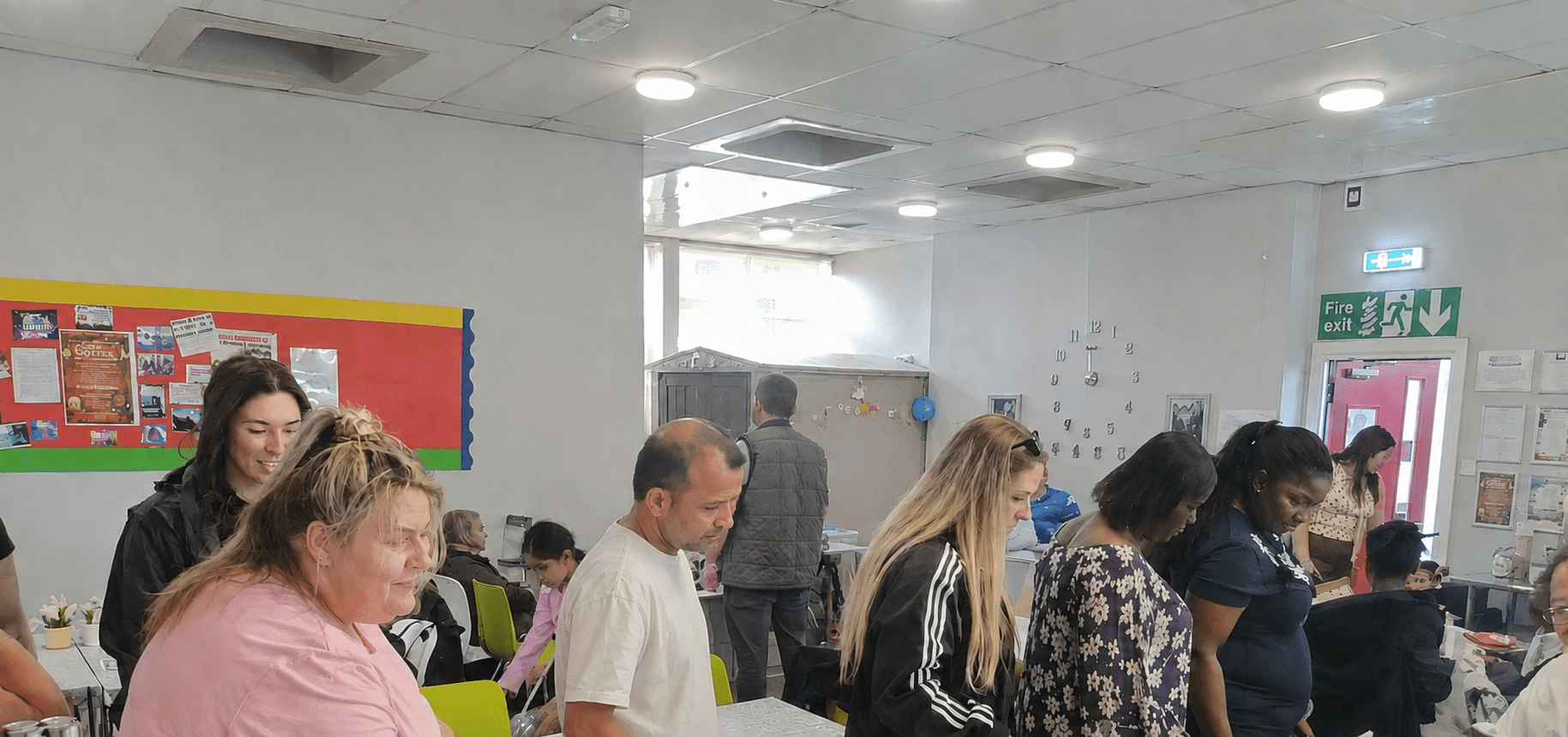
The food co-operative runs out of the Hub at Whitlawburn Resource Centre. Volunteers run it with staff support. People pay £3 for a bag of produce worth at least £30, that contains non-perishables, meat, fruit and vegetables, with enough range that people still get to choose.
The FareShare subscription costs £3,957 a year and supplies most of what the co-operative needs, topped up through partnerships with Morrisons and Marks and Spencer. The grant will help to secure it for another twelve months.
People who come for food can also get energy advice, digital and employment support, and Citizens Advice services while they’re there.
Before Utility Aid
Energy costs have been a problem across the voluntary sector for years, and the resource centre runs on a mix of earned income and external funding – so price volatility makes budgeting difficult. As a landlord, the Co-operative also has a responsibility to keep costs down for its tenants.
Joining the Utility Aid Collective Buying Scheme
The Co-operative has used Utility Aid for energy procurement for several years. Michael Curry, their contact at Utility Aid, flagged the Collective Energy Buying Scheme during a recent electricity renewal. The community benefit was part of the attraction, alongside fixed-rate costs in a volatile market.

“The process is straightforward, the support is practical, and the funding can make a real difference to organisations that are managing rising costs while continuing to deliver essential services in their communities.”